A guide published by Dotto
How sewerage works in Australia
Every flush and every emptied sink joins the network under the street: pipes that fall with the ground, get lifted by pumps and end at a treatment plant. Sewerage is a guide to that network, written and published by Dotto: how it carries sewage away, what it cannot take, and what to do when it comes back up.
General information, drawn from the water utilities’ and regulators’ own pages and linked on each sheet. Your local water utility’s rules are the ones that apply to your property.
One city’s line, in five lengths
Melbourne Water describes the trip in three steps: disposal, transfer and treatment. Here is its line drawn out a little further, length by length.
- From the houseSewage is the used water from kitchens, bathrooms, laundries and toilets, along with what businesses and industry send down the drain. Melbourne Water puts it at 99% water.
- Under the streetGreater Melbourne’s sewerage is more than 3,000 km of pipes and pumps, run by Melbourne Water together with the local retail water companies. Every year more than 320 billion litres of sewage flows into it.
- Into a trunk sewerThe flow joins one of three large trunk sewers, laid on a downhill slope so that gravity does most of the moving.
- Up through a pumping stationPumping stations lift the sewage back towards the surface, either to a treatment plant or onward through the network. The whole journey can take as long as 12 hours.
- To a treatment plantMelbourne has two large plants, the Western Treatment Plant at Werribee and the Eastern Treatment Plant at Carrum, plus a number of smaller ones. What happens inside them is the subject of sheet 2.
Not every line runs the same way
The scale changes from place to place. Water Corporation looks after 17,280 kilometres of wastewater pipes in Western Australia, pumping to 113 treatment plants. In the Lower Hunter, Hunter Water’s network is more than 5,000 kilometres of pipes, kept separate from the stormwater system.
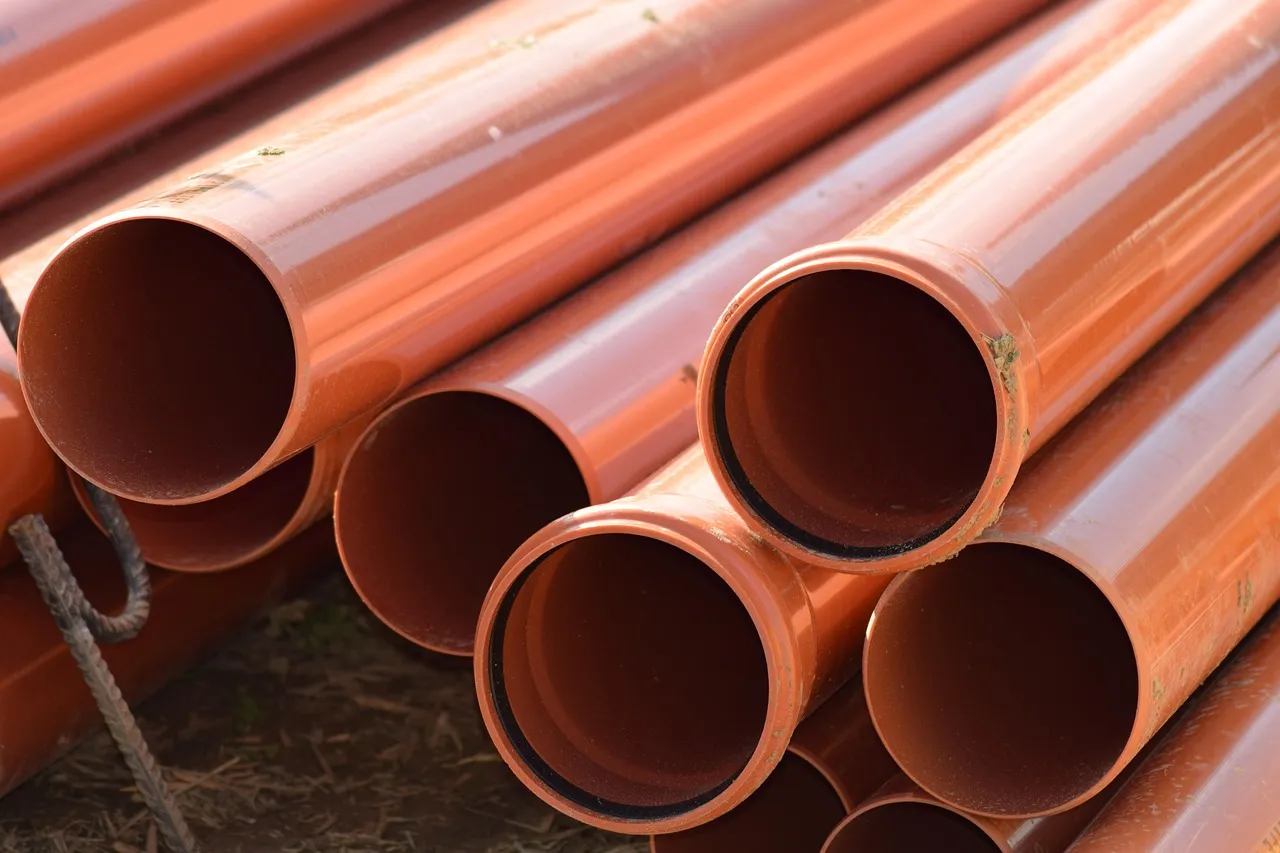
Where gravity sewers do not suit the ground (flat land, rock, steep slopes or wet conditions), some homes have a pressure sewer instead: an underground tank and pump on the property that pushes the wastewater through sealed pipes. South East Water, in Melbourne’s south-east, monitors and maintains more than 15,000 of them.
And some homes are on no sewer at all. About 2,500 residential lots across 23 townships in the Lower Hunter have mains water but no reticulated sewer, for example. Those homes treat their own sewage, which is covered on the septic sheet.
Why sewers spill
Melbourne Water gives two broad reasons a sewer overflows. Pipes get blocked or broken by tree roots, fats or oils, or they get too full after heavy rain. The first is mostly about what goes down the drain. The second is partly about stormwater getting in where it should not: Melbourne Water suggests checking that a home’s stormwater plumbing is not connected to the sewer.
Hunter Water’s description of the result is blunt: blockages can send sewage into homes and waterways, and leave owners with costly plumbing bills. The sheets on what not to flush and smells and overflows cover each side of that.
The guides
- Sheet 2Where sewage goes after the flush
Melbourne’s two treatment plants, lagoon and three-stage, and what comes out of them.
- Sheet 3What not to flush
Four utilities’ bin lists side by side, the one exception, and the kitchen sink.
- Sheet 4Septic tanks and other on-site systems
An owner’s duties in Victoria, service intervals, warning signs and safety.
- Sheet 5Sewer smells and overflows at home
Staying safe around a spill, who to call, and where a smell comes from.
- Sheet 6Trade waste: when a business needs approval
What counts, three utilities compared, pre-treatment, and a worked example.
- Sheet 7The first sewers
Melbourne’s 1890s system, Geelong’s egg-shaped outfall and Sydney’s northern tunnel.