Sewerage / Sheet 2
Where sewage goes after the flush
In Melbourne, sewage flows downhill through underground pipes into one of three trunk sewers, is lifted by pumping stations and ends at a treatment plant, a trip that can take up to 12 hours. At the plant it is cleaned, then recycled or released under strict conditions set by EPA Victoria.
General information from the utilities’ and regulators’ own pages, listed at the foot of this page. Your own water utility and council set the rules for your property.
What goes into the line
Melbourne Water defines sewage as the wastewater leaving kitchens, bathrooms, laundries and toilets, and also what industry and businesses send away. By its count, sewage is 99% water.
Homes and businesses do not join the network on the same terms. A business needs permission to use the sewers, because its trade waste carries more contamination. That permission is the subject of the trade waste sheet.
Melbourne Water’s own part of the network is 400 kilometres of sewers, 3 main trunk sewers and 8 pumping stations; the rest of the network is managed with the local retail water companies. Its crews inspect sewers with closed-circuit cameras, clean them and cut back tree roots with high-pressure water jets.
Two plants, two ways of treating
Melbourne’s two large plants share the city’s sewage roughly evenly but work in very different ways. The schedule below sets them side by side, from Melbourne Water’s own pages.
| Item | Western Treatment Plant | Eastern Treatment Plant |
|---|---|---|
| Where | Werribee | Melbourne’s south-eastern suburbs |
| Share of Melbourne’s sewage | About half | Nearly half, about 400 million litres a day |
| Size | 10,500 hectares | One-tenth the size of the western plant |
| Method | A chain of large lagoons, where bacteria slowly break down the organic matter | Three stages: primary, secondary and tertiary |
| Time | About 30 to 35 days to reach Class C recycled water | 24 hours |
| Where the treated water goes | Port Phillip Bay under EPA Victoria’s conditions, or further disinfected into Class A recycled water | Some is recycled; the rest goes to the ocean at Boags Rocks under EPA Victoria’s conditions |
The lagoons at Werribee
The western plant uses little energy. Sewage moves slowly through a series of ponds, the biggest able to hold 600 million litres, and bacteria do the work.
- Covered lagoons, without airThe first lagoons sit under plastic covers that keep oxygen out. Bacteria that thrive without oxygen break down the sewage and give off methane, or biogas, which is caught under the covers and burned on site to make electricity.
- Open lagoons, with airMachines called aerators push oxygen into the water for a different set of bacteria, which strip out nitrogen and clump together as they go.
- SettlingIn settling tanks called clarifiers the clumps separate out. The solids are dried and stockpiled, or reused as biosolids.
- Release or recycleFrom the last lagoon, the water either goes to the bay or is disinfected with ultraviolet light and chlorine to make Class A recycled water.
Melbourne Water says the plant meets all its own energy needs from biogas.
Three stages in a day
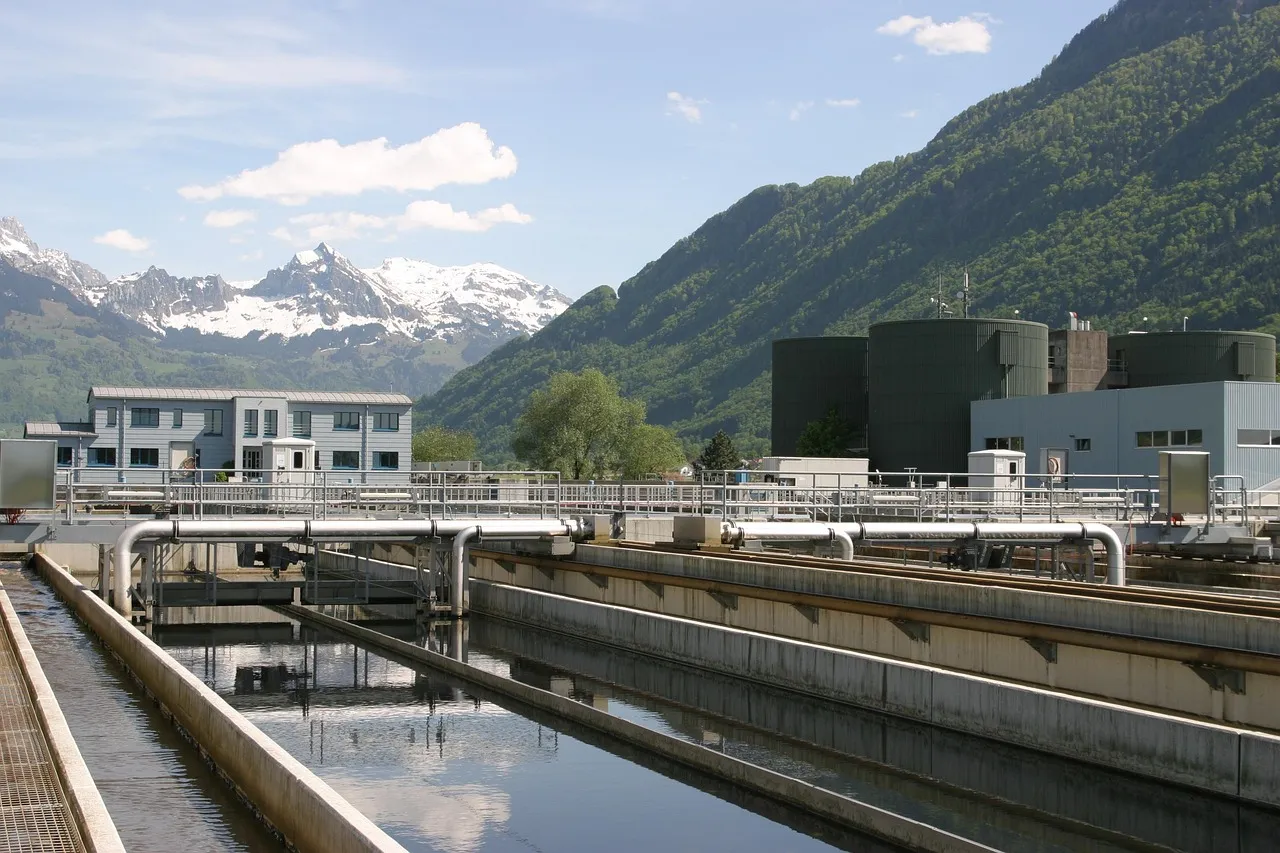
Primary: taking things out
Fine screens catch cotton buds, rags and other rubbish. Air is blown through so grit and sand drop out, and heavier material sinks as sludge, which is pumped with the floating debris into temperature-controlled tanks called digesters.
Secondary: bacteria at work
Bacteria living with oxygen and without it break down organic matter and remove nutrients. More sludge settles out in clarifiers, leaving clear secondary effluent.
Tertiary: disinfecting
Ozone made on site disinfects the water and cuts colour and smell. Biological filters take out what organic matter remains, ammonia is brought down to very low levels, and ultraviolet light and then chlorine finish the job. The plant has treated sewage to this standard, producing Class A recycled water, since an upgrade in 2012.
Water, gas and soil
- Recycled water. The western plant makes 40 billion litres a year, used on its own pastures and wetlands and sold to customers for crops, parks and gardens.
- Biogas. The eastern plant has captured biogas since it opened in 1975, and added a solar farm of 39,000 panels in 2023.
- Biosolids. The dried sludge from both plants is stockpiled or reused as a nutrient-rich, soil-like material.
Treatment plants can smell. Melbourne Water asks people to phone 131 722 at the time they notice an odour they think comes from one of its sites, rather than reporting it online. The sheet on smells and overflows covers smells closer to home.